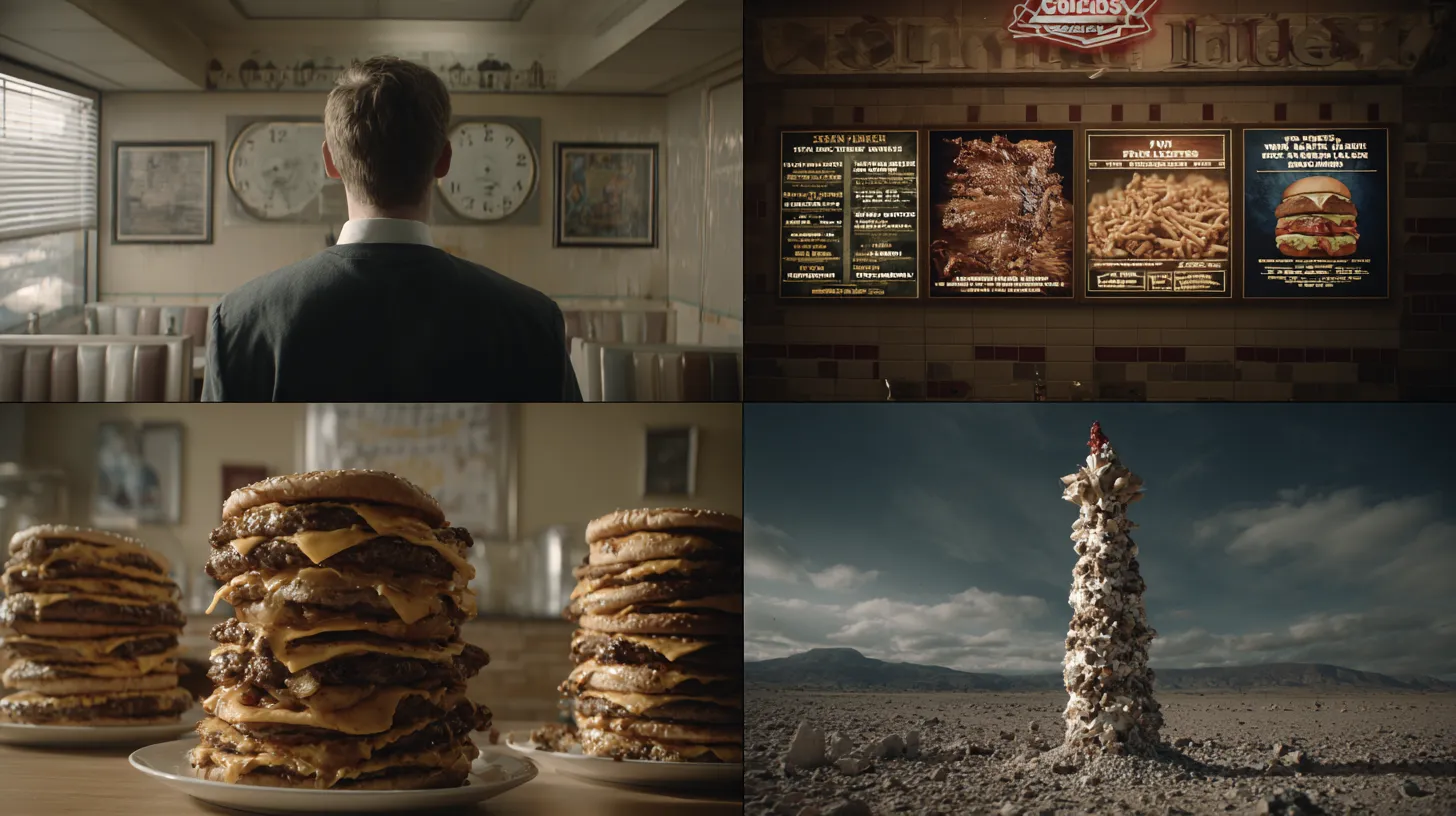
Food challenges are one of the oldest forms of food content. Before TikTok, before YouTube, before Instagram, American restaurants were putting timers on the wall above their biggest burgers and handing out t-shirts to anyone who cleared the plate. The format has not changed. What has changed is the audience, the documentation, and the increasingly creative categories of challenge that have evolved beyond pure volume into flavor intensity, temperature extremes, and the bizarre emoji-coded mystery combination challenges that generated millions of views in early 2026.
This article covers the most outrageous and most legitimate food challenges by American city, the new challenge formats that emerged from social media culture, and an honest assessment of which challenges are about culinary achievement and which are purely content vehicles. This article is part of the Biggest Viral Street Food Trends Right Now series at SnackyStreet.
New York City: Density and Drama
Volume Challenges in the Density Capital
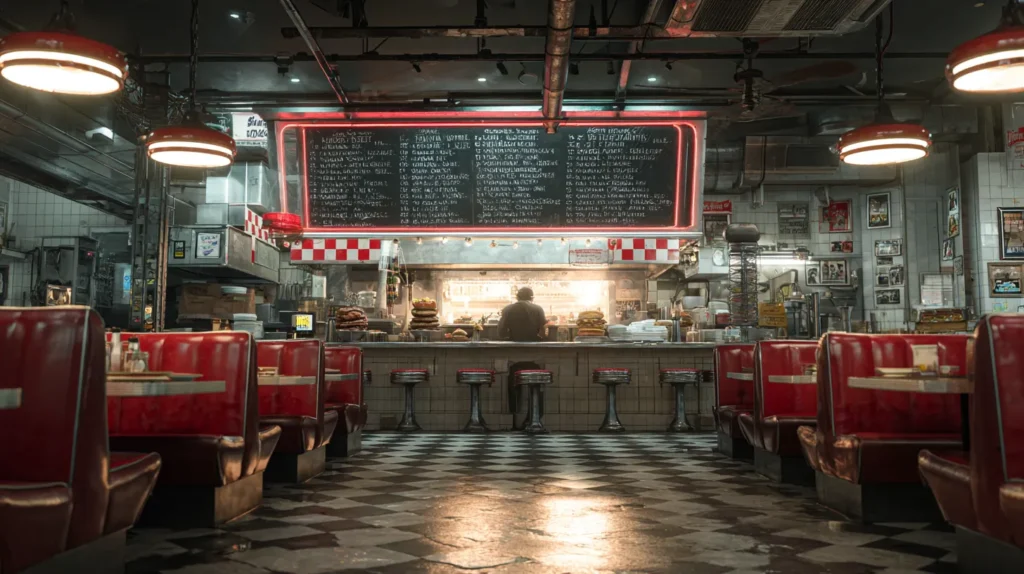
New York City’s food challenge culture is built on density. The sheer number of independent restaurants creates a competitive environment where unusual menu items and promotional challenges function as effective marketing in a way that would not work in a smaller market. The city also attracts the food challenge community’s most active content creators and competitive eaters, which gives any significant challenge a ready-made audience for documentation.
Competitive Eating Events and Nathan’s Famous
The most documented NYC food challenges focus on volume rather than heat or speed: multi-pound burger challenges, towering sandwich challenges at classic deli-style restaurants, and pizza-by-the-slice volume challenges. The social media documentation of these challenges, combined with the recognizable NYC backdrop, drives content that performs well nationally because of the city’s cultural identity. New York also hosts the most organized competitive eating events in the US, with Nathan’s Famous Hot Dog Eating Contest on Coney Island representing the apex of that format.
Nashville: When Heat Becomes the Challenge
The Tiered Heat Model That Changed Challenge Culture
Nashville hot chicken, one of the most durably significant American regional food innovations of the past decade, has a challenge format built into its DNA. The tiered heat system at Prince’s Hot Chicken Shack, where levels range from plain to medium to hot to extra hot to XXX, represents one of the first mainstream American street food operations to explicitly gamify spice tolerance as a menu feature. The challenge is not to eat the most chicken but to eat it at the highest heat level you can tolerate without distress.
Reaper Sauces and the Content Value of Heat Reactions
This format has been widely copied. Nashville-inspired hot chicken restaurants across the country have added their own tiered heat menus, and the content format of “I tried the hottest level” has become a reliable genre on TikTok and YouTube. The specific appeal is that heat challenges produce visible, authentic physical reactions that are immediately compelling in video form. Unlike a volume challenge, where the content is primarily a person eating a lot of food, a heat challenge produces sweat, tears, involuntary facial expressions, and escalating physical distress that is simultaneously uncomfortable to watch and difficult to stop watching. Nashville’s food challenge culture has also extended to the hot chicken sandwich format, with restaurants competing to offer the most extreme preparation including Reaper-level sauces, ghost pepper-infused oils, and Carolina Reaper-seasoned coatings.
Philadelphia: The Cheesesteak and the Size Challenge
How Cheesesteak Identity Shapes Challenge Culture
Philadelphia’s food challenge culture is inseparable from its cheesesteak identity. The iconic sandwich has spawned a challenge format based primarily on size: the biggest cheesesteak you can eat, the fastest time on a standard cheesesteak, and the variations on the core format that push it into territory most cheesesteak traditionalists would reject are all active challenge categories at various Philadelphia establishments.
Wing Challenges and the Sports Bar Ecosystem
Philadelphia also has a significant wing challenge culture, inherited partly from Buffalo’s influence and partly from the city’s own sports bar ecosystem. The heat and volume wing challenges at South Philly and Center City sports bars run on similar mechanics to the Nashville model but with a different cultural framing: Philadelphia’s challenge culture tends to be more communal and less content-focused than New York or Las Vegas, with challenges being undertaken by groups rather than solo challengers seeking individual documentation.
Las Vegas: The Hospitality Economy and Food Theater
Why Vegas Runs Challenges Differently Than Everywhere Else
Las Vegas operates food challenges within its hospitality economy in a way that no other American city can replicate. The combination of tourism infrastructure, 24-hour operation, and a baseline visitor demographic that is already oriented toward excess creates ideal conditions for food challenges as entertainment products. Several Las Vegas restaurants have built their entire brand identity around food challenge programming, with elaborate timed challenges, wall-of-fame displays, and social media documentation infrastructure built into the restaurant design.
Dessert Challenges and Theatrical Scale
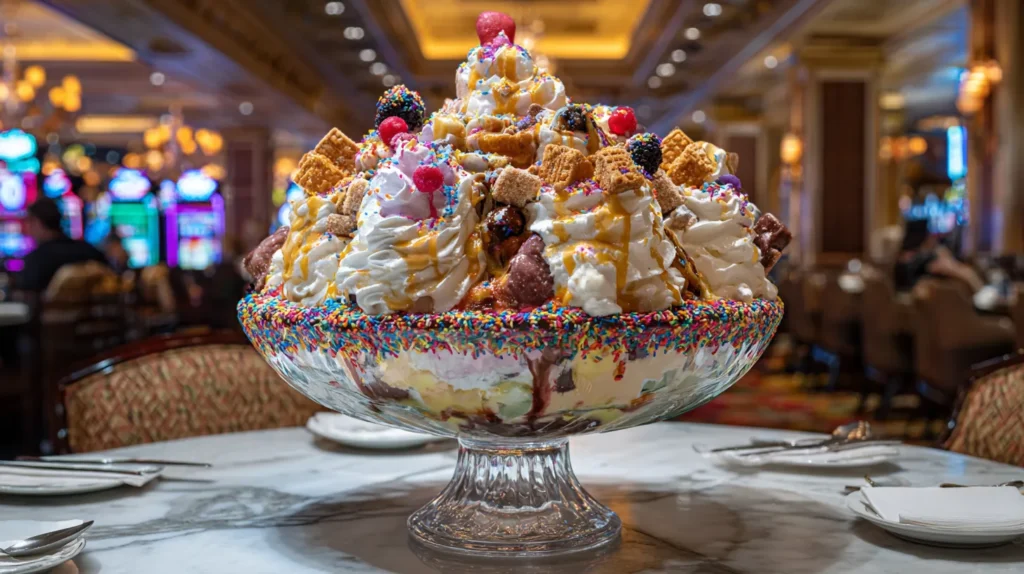
Las Vegas food challenges also tend to be more theatrical than those in other cities. Giant dessert challenges, multi-course tasting challenges with time limits, and challenges involving unusual ingredient combinations have all appeared on Las Vegas menus at various points. The dessert challenge format in particular, involving enormous sundaes, multi-layer cakes, or elaborate pastry constructions, performs particularly well in Vegas because the visual scale of the challenge is immediately legible and the Las Vegas setting provides a contextual backdrop that amplifies the excess.
Chicago: Wild Combos and Fair Food Innovation
The Forbidden Hot Dog and Combination Challenges
Chicago’s food challenge culture is most distinctive in its engagement with unusual food combinations rather than pure volume or heat. The Chicago hot dog tradition, which strictly prohibits ketchup in the standard preparation, has paradoxically created a food culture that is both highly traditional and highly experimental around what deviations from tradition are permissible. This creates a specific challenge format: the “wrong” Chicago hot dog, incorporating forbidden ingredients in exaggerated forms, as a social media content vehicle that performs well within Chicago food community audiences.
The Illinois State Fair and Midwest Fried Food Culture
Chicago also hosts the Illinois State Fair and regional food festivals with strong food challenge programming, particularly in the fried food and loaded nacho categories. The Midwest’s strong fair food culture and Chicago’s position as the regional cultural center means that food challenges at Illinois State Fair events get broader media attention than equivalent events in smaller markets.
The Emoji Food Combo Challenge: The Social Media Format That Changed Everything
Indika Agapova and the 6.5 Million View Template
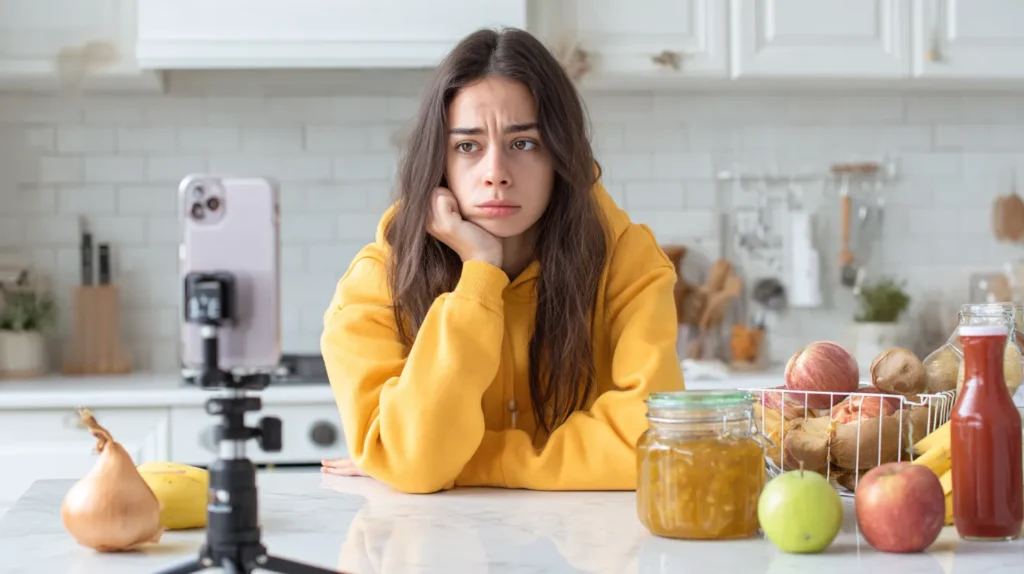
The emoji food combo challenge format represents the most significant innovation in the food challenge genre in recent years. Rather than challenging the quantity or heat of eating, it challenges the expectation of flavor. Creators test specific food combinations, revealed only through emoji before the video, that are alleged to taste like something completely different from what you would expect from the ingredients. TikTok creator Indika Agapova’s format became the defining template. Her most viewed video, at 6.5 million views, tested combinations including onion and honey (claimed to taste like beer), kiwi and banana (allegedly producing a dragon fruit flavor), and apple with ketchup (claimed to taste like red wine).
Why This Format Outperforms Traditional Challenges
The genius of the format is that it cannot be verified from a video. You can only confirm whether the flavor description is accurate by trying it yourself, which is the exact participation impulse that converts views into real-world food behavior. This format has significant advantages over traditional food challenges: it requires minimal production infrastructure, it works at any scale from a kitchen counter to a restaurant table, it generates discussion and debate in comments because the flavor claims are subjective and contestable, and unlike a volume challenge with a clear winner or loser, the emoji combo challenge has no defined failure condition, making it accessible to any content creator regardless of eating capacity.
Austin and the Food Truck Challenge Circuit
The Multi-Truck Circuit Format
Austin’s food truck park culture has developed a distinctive challenge format built around the density and variety of its outdoor food scenes. Several Austin food truck parks operate informal challenge circuits where a customer commits to eating a specified item from each of five or more different trucks within the park in a defined time window. The format rewards breadth rather than volume, creating a challenge that functions as a food tour with a competitive element.
BBQ Challenges and Austin’s Culinary Identity
Austin food challenges also frequently incorporate the city’s barbecue culture, with smoked brisket challenges and sausage challenges at Central Texas-style BBQ operations forming a specific subcategory. The combination of Austin’s existing foodie identity, its tourist infrastructure, and its outdoor festival culture makes it one of the most active food challenge cities in the country outside the traditional top-tier markets of New York, Nashville, and Las Vegas.
Frequently Asked Questions
What are the most famous food challenges in the US?
Nathan’s Famous Hot Dog Eating Contest in New York is the most documented competitive eating event in America. The Nashville hot chicken heat challenge format has become one of the most widely replicated food challenge categories nationally. Various multi-pound burger challenges in New York, Texas, and Wisconsin have documented national followings. The emoji food combo challenge format popularized by TikTok creators represents the most recent significant innovation in the challenge genre.
Are food challenges safe?
Volume challenges involving very large quantities of food carry real risks including choking, aspiration, gastric distress, and in extreme cases more serious complications. Competitive eaters who participate regularly in organized events develop techniques and conditioning that reduce these risks, but casual participation in extreme volume challenges is not medically endorsed. Heat challenges using capsaicin at extreme levels carry risks including gastrointestinal distress and, in rare cases, cardiac events in individuals with underlying conditions. Anyone with a health condition should consult a doctor before participating in food challenges involving extreme quantity or spice.
Does the onion and honey combination really taste like beer?
It produces an unusual sweetness with slightly fermented notes that some people find reminiscent of beer, but the comparison is imprecise and highly subjective. The combination works because raw onion’s sulfur compounds interact with honey’s sugars to produce a complex flavor that is unlike either ingredient individually. Whether that combination registers as beer-like depends strongly on individual taste perception. The value of the claim is primarily as a content hook rather than an accurate flavor description.
More from the Viral Street Food Trends Series
- The Biggest Viral Street Food Trends Right Now (Pillar)
- Dubai Chocolate Bar: What It Is and How to Make It
- TikTok Street Food Trends Blowing Up This Year
- Smash Burger Tacos: The Viral Mashup Everyone’s Making
- Birria Tacos: How the Trend Took Over the US
- Tornado Potato: The Fair Food TikTok Cannot Stop Watching
- Pickle Pizza and Other Wild Street Food Combos Worth Trying
- Viral Asian Street Foods Americans Are Obsessed With
- We Tried 10 Trending Fair Foods: Here’s the Honest Verdict
- What’s Trending at US Food Festivals This Season
© 2026 SnackyStreet.com. All rights reserved.