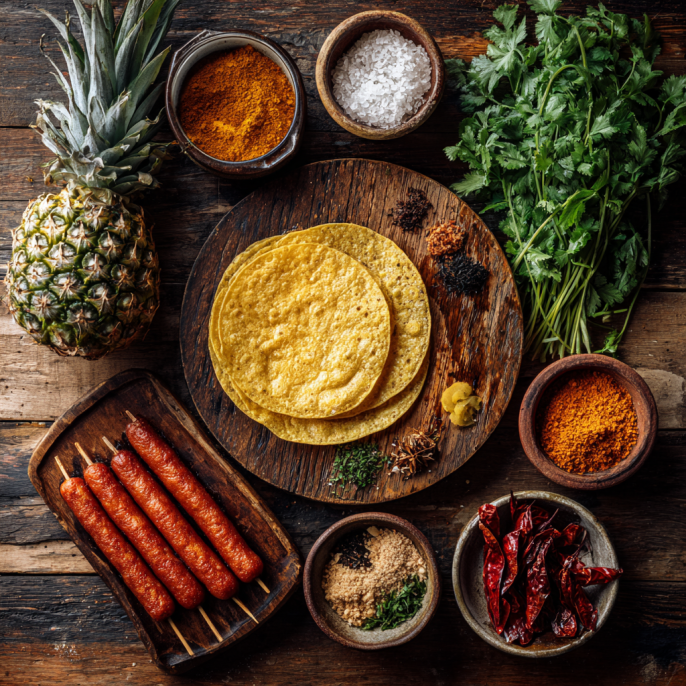
By Maya Rodriguez . | SnackyStreet.com | Updated April 2026
Street food is the most honest cooking on earth. No white tablecloths, no pretense, just bold marinades, blazing-hot griddles, and the kind of flavor you remember long after the trip is over. The problem? You cannot fly to Bangkok every time you are craving pad kra pao, or hop a subway to a Midtown halal cart on a Tuesday night.
That is exactly what this guide fixes. We have eaten our way through night markets, food truck festivals, and roadside stalls across three continents to bring you the definitive playbook for recreating world-class street food in your own kitchen, with no professional equipment required.
Inside, you will find master techniques, a battle-tested pantry list, cooking method breakdowns, and links to every recipe in our Street Food at Home series. Whether you are after a perfect birria taco, a cheesy Korean corn dog, or a late-night loaded fry situation, you are in the right place.
What’s Inside This Guide
- Why Homemade Street Food Beats Delivery Every Time
- The Street Food Pantry: 25 Ingredients That Change Everything
- The 5 Core Techniques Behind Every Great Street Food
- Equipment You Actually Need (and What You Can Skip)
- Your 10-Recipe Street Food Starter Kit
- Regional American Street Food: A Quick-Start Map
- International Street Food You Can Pull Off at Home
- Make-Ahead Strategies for Street Food Night
- Common Mistakes and How to Fix Them
- FAQ
Why Homemade Street Food Beats Delivery Every Time
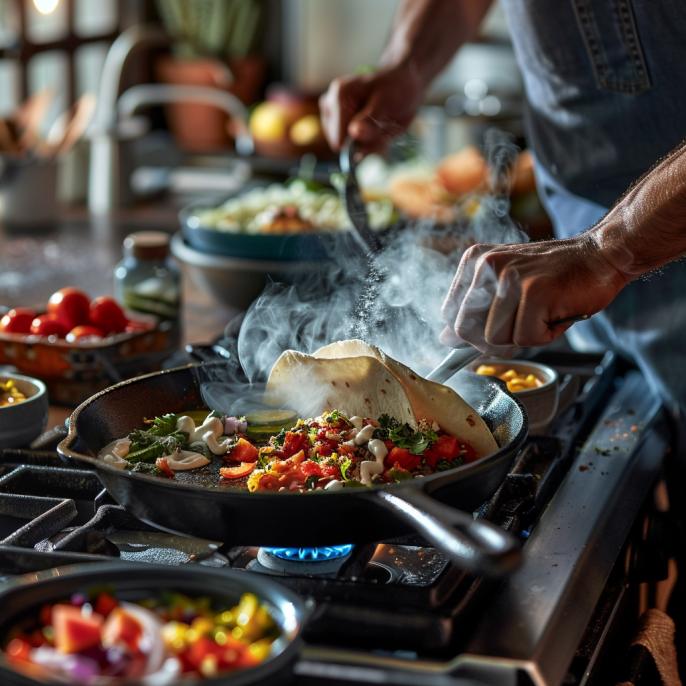
The gap between a great food truck and your stovetop is much smaller than the food media would have you believe. Here is what actually matters when we break it down.
Heat control: Most street food magic happens at very high temperatures, around 400 degrees Fahrenheit and above. Your home stove and a preheated cast iron or carbon steel pan get you 90% of the way there.
The marinade window: Street vendors marinate overnight, every night. At home, you control that window. A 24-hour al pastor or birria marinade will out-perform any food truck that is rushing through prep.
Freshness on demand: A food truck fires your order the moment you place it. When you cook at home, you are doing the same thing. You are not eating something that has been sitting in a warmer for an hour.
Customization: Want your elotes without mayo and double cotija? Extra consome on the side? At home, you are always your own best customer.
The verdict: homemade street food is not a consolation prize. Done right, it is the main event.
The Street Food Pantry: 25 Ingredients That Change Everything
The single biggest reason homemade street food underdelivers is a weak pantry. These 25 ingredients are the backbone of our entire recipe collection. Buy them once and you are set for months.
Dried Chiles (The Non-Negotiables)
- Guajillo: Smoky, slightly tangy. The base of al pastor and birria marinades.
- Ancho: Rich, dark, mild heat. Adds depth to braised meats and moles.
- Chile de arbol: Small and fiery. Use sparingly for heat without changing the flavor profile.
- Chipotle in adobo (canned): Smoky, tangy shortcut that belongs in every street food kitchen.
Acids and Aromatics
- White vinegar and apple cider vinegar: Used in pickles and marinades across Mexican, Vietnamese, and Caribbean recipes.
- Fresh limes: Not optional. Street food without lime is street food without soul.
- Pineapple juice (canned): Essential for al pastor, and also great as a quick meat tenderizer.
- Fish sauce: The umami backbone of Southeast Asian street food.
Fats and Oils
- Lard: Yes, lard. Nothing crisps a tortilla or fries a corn dog batter quite like it.
- Neutral oil (avocado or vegetable): Your high-heat workhorse.
- Toasted sesame oil: A finishing oil for Korean and Japanese street food.
Spices and Dry Goods
- Achiote paste: The brick-red base of authentic al pastor. Find it in any Latin grocery or online.
- Sazon seasoning: Adds color and depth to Puerto Rican and Dominican street food.
- Mexican oregano: Different from Italian oregano, it is more floral and citrusy.
- Cumin and coriander: The aromatic foundation for most Latin American and Middle Eastern street food.
Starches and Wrappers
- Masa harina: For homemade corn tortillas and tamales.
- Corn tortillas (good store-bought): Mission works, but look for local brands when you can.
- Panko breadcrumbs: The secret to that Korean corn dog exterior crunch.
- Frozen puff pastry: Jamaican beef patties and empanadas become weeknight-easy with quality store-bought pastry.
Cheeses and Dairy
- Oaxacan cheese (quesillo): Melts in strings for birria quesatacos and tlayudas.
- Monterey Jack: The American substitute that actually works beautifully.
- Cotija: The salty, crumbly finish on elotes, street corn nachos, and more.
Sauces and Condiments
- Korean gochujang: A fermented chile paste that builds complexity fast.
- Soy sauce (low sodium): Street food from Seoul to Singapore runs on this.
- Hoisin sauce: Used in Vietnamese banh mi and as a glaze for dozens of Asian street meats.
The 5 Core Techniques Behind Every Great Street Food
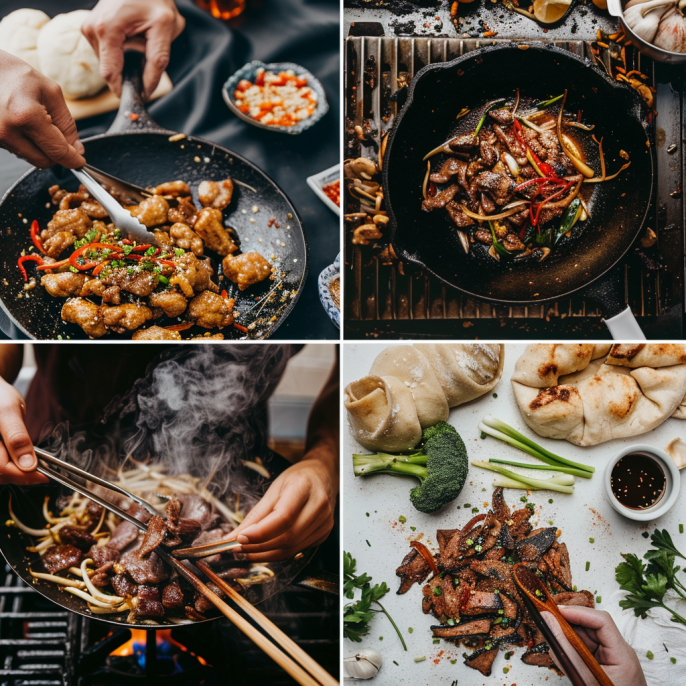
1. The Hard Sear (Cast Iron or Carbon Steel)
Most street food achieves its signature crust through extreme, sustained surface contact with a ripping-hot surface. At home, a well-seasoned cast iron skillet preheated on medium-high for 4 to 5 minutes matches the sear quality of a professional plancha. This technique drives smash tacos, al pastor, Korean BBQ, and halal cart chicken.
Key rule: Do not move the meat for the first 2 minutes. Let the Maillard reaction do its job.
2. The Braise-Then-Crisp (Birria Method)
Low, slow braising produces fall-apart tender meat. The move that separates good birria from legendary birria is what happens after: dipping the tortilla in the red fat layer on top of the consome, then frying it in a hot pan until the outside goes lacquer-crispy while the inside stays molten with cheese and meat.
Key rule: Skim the fat layer separately from the broth. That red oil is what gives birria tacos their signature color and crunch.
3. The Marinate-and-Char (Al Pastor Method)
Al pastor is traditionally cooked on a trompo, a vertical rotisserie that chars the outer layers continuously as it spins. At home, you recreate this with thinly sliced pork shoulder, a guajillo-achiote marinade, and a screaming-hot grill or cast iron pan where you cook the pork almost entirely on one side to replicate that one-sided sear.
Key rule: Slice the pork thin, no more than a quarter inch. Thick cuts will not char right and will not cook through before burning.
4. The Batter-Fry (Korean Corn Dog and Pretzel Method)
A proper fry batter needs the right viscosity, the right temperature, and enough fat depth to allow the item to float. Korean corn dogs use a sweet panko-batter hybrid that creates a shatteringly crisp exterior. Soft pretzels rely on an alkaline boil, a baking soda bath, before baking, which creates that signature deep-brown, chewy crust.
Key rule: Oil temperature matters more than anything else. 350 degrees Fahrenheit is your target. Use a thermometer.
5. The Smash Technique
The smash taco and smash burger are based on a simple physics principle: maximum surface area against maximum heat creates maximum Maillard. Press a ball of seasoned ground beef directly onto a corn tortilla, flip it meat-side-down on a blazing griddle, press hard with a spatula, and you will achieve lacy, caramelized edges in under 3 minutes.
Key rule: The griddle or pan must be pre-heated for at least 5 minutes. A lukewarm surface produces steamed meat, not smashed.
Equipment You Actually Need (and What You Can Skip)
The internet is full of gear lists that make home street food seem like a $3,000 project. Here is the honest breakdown.
Buy These (Under $60 Total)
- 12-inch cast iron skillet: Your most versatile piece of cookware for searing, frying, and smashing.
- Dutch oven (5 to 7 quart): For braising birria and Jamaican beef stew, and for deep-frying corn dogs.
- Instant-read thermometer: Non-negotiable for frying and for checking meat doneness.
- Blender: For chile sauces, marinades, and consome bases.
- Sheet pan with wire rack: For finishing fried items in the oven without them going soggy.
Nice to Have (But Not Required)
- Blackstone or flat-top griddle: Game-changing for smash tacos and large batch cooking. Improvise with cast iron.
- Tortilla press: Helpful for homemade corn tortillas. A heavy-bottomed pan works fine in a pinch.
- Meat thermometer with probe: For slow-cooked birria and large cuts.
Skip These
- Vertical spit / trompo: Fun if you are very serious about al pastor authenticity, but the cast iron method produces 85% of the result.
- Deep fryer appliance: A Dutch oven and thermometer does the same job with less cleanup.
Your 10-Recipe Street Food Starter Kit
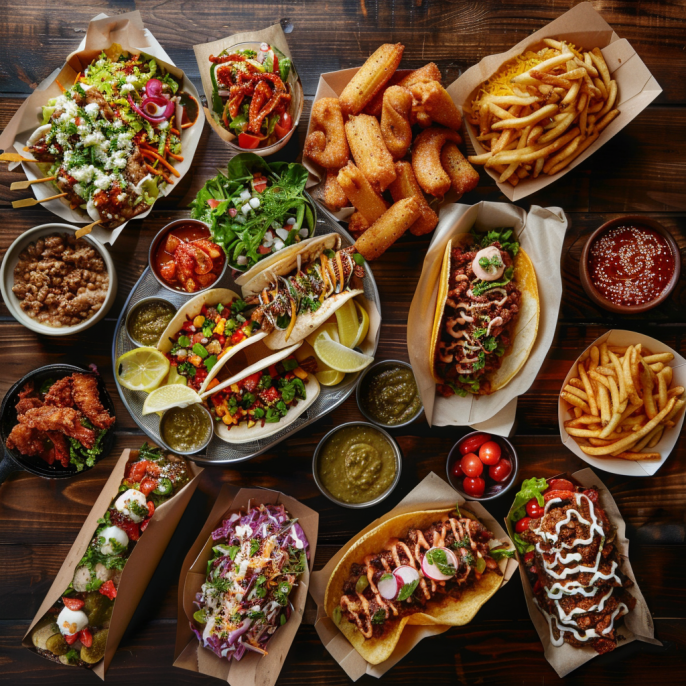
These 10 deep-dive guides make up the complete Street Food at Home recipe series. Each article contains step-by-step instructions, ingredient sourcing tips, and links back to this guide and to the other recipes in the collection.
- Best Homemade Taco Recipes: Al Pastor, Birria and Smash Tacos
- How to Make NYC-Style Halal Cart Chicken and Rice at Home
- Copycat Raising Cane’s and Chick-fil-A Street Sauces
- Easy Elotes (Mexican Street Corn) 4 Ways
- Korean Corn Dogs at Home: The Crispy, Cheesy Guide
- Street-Style Loaded Fries: Regional American Variations
- Vietnamese Banh Mi You Can Make in 30 Minutes
- Homemade Soft Pretzels with Beer Cheese Dipping Sauce
- Authentic Jamaican Beef Patties from Scratch
- Late-Night Street Food Snacks Under 20 Minutes
- Street Corn Chicken Rice Bowl: The Bold Bowl Trend Everyone’s Loving
Each of these cluster articles links back to this guide and to the other recipes in the collection, so you can build your full street food repertoire one recipe at a time.
Regional American Street Food: A Quick-Start Map
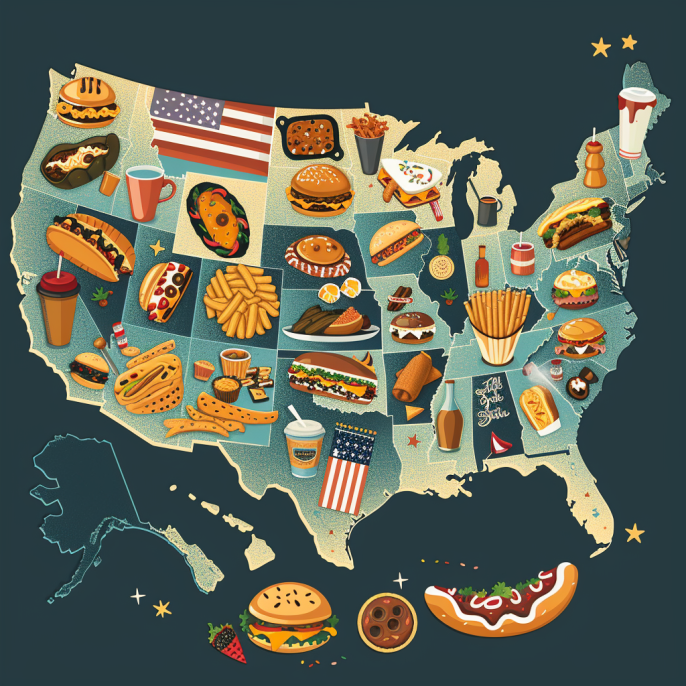
Street food in the United States is one of the most underappreciated culinary landscapes in the world. Before diving into international recipes, here is a region-by-region snapshot of what Americans have been eating on the street long before food trucks became trendy.
New York City: The halal cart is one of the great American food inventions. Turmeric-spiced chicken or lamb over rice, white sauce, hot sauce, and a side of pita. We break it down completely in our NYC Halal Cart Chicken and Rice guide.
Los Angeles: Al pastor and birria tacos dominate the LA street food scene, but it was the city’s taco truck culture that brought these Mexican classics to a national audience. See our complete taco guide for both.
New Orleans: The po-boy sandwich is Louisiana’s contribution to American street food, a French bread roll stuffed with fried shrimp, oysters, or roast beef debris. A future cluster article covers it in full.
Chicago: The Chicago-style hot dog is a religion, and the Maxwell Street Polish sausage is a close second. Street-style loaded fries here come piled with cheese sauce and sport peppers.
Philadelphia: Philly soft pretzels are bigger, denser, and saltier than the New York version, and they are a city institution. Our soft pretzel guide covers the classic Philly style with beer cheese dipping sauce.
International Street Food You Can Pull Off at Home
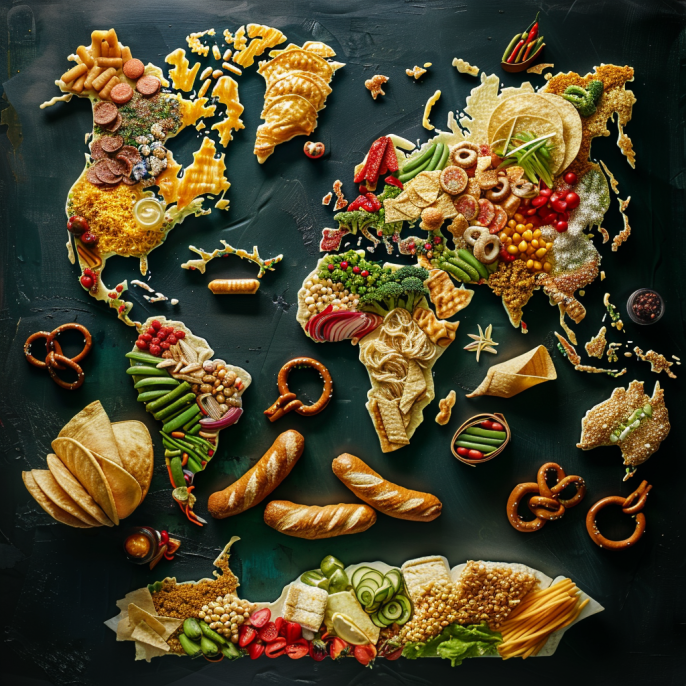
The planet’s best street food does not require a passport. It requires the right pantry and the right technique. Here is a quick guide to the international recipes in our cluster series.
Vietnam, Banh Mi: The Vietnamese sandwich is a masterclass in contrast. A crispy baguette carries savory lemongrass pork or chicken, pickled daikon and carrot, fresh cilantro, sliced jalapeno, and a smear of mayo. Our 30-minute guide shows you exactly how to replicate it without hunting down obscure ingredients.
Korea, Corn Dogs: The Korean corn dog is a different beast from the American fair classic. It uses a yeast-leavened batter, panko breadcrumbs, and often mozzarella instead of, or in addition to, the hot dog. The result is a lighter, crispier, stretchier bite. Some versions are rolled in sugar after frying. See the full Korean corn dog guide.
Jamaica, Beef Patties: The Jamaican beef patty is a flaky, turmeric-yellow pastry filled with spiced ground beef, scotch bonnet peppers, and allspice. It is one of the most distinctive street foods in the Caribbean, and our from-scratch guide covers both the pastry and the filling in detail.
USA via Mexico, Elotes: Mexican street corn has become one of the most popular street food items at American festivals and food trucks. Grilled corn on the cob slathered in mayo, cotija, chili powder, and lime juice, or cut off the cob as esquites. Our elotes guide covers four versions, from classic to loaded.
Make-Ahead Strategies for Street Food Night
The biggest myth about street food is that it has to be made all at once, last-minute. The reality is that the best street food vendors do most of their work hours ahead of service. Here is how to apply that thinking at home.
1 to 3 Days Ahead
- Marinate your al pastor or birria meat. Flavor deepens significantly overnight.
- Make your pickled vegetables (daikon, red onion, jalapenos). These keep for 2 weeks.
- Prepare and refrigerate your sauces (white sauce, burger sauce, gochujang glaze).
- Roll and freeze Korean corn dog balls. Fry straight from frozen.
Day Of (30 to 60 Minutes Before)
- Braise your birria if starting fresh, or reheat pre-made birria on the stovetop.
- Set up your toppings bar so guests can assemble their own.
- Pre-heat your cooking surface for at least 5 minutes before the first batch.
Freezer-Friendly Street Food
- Birria meat and consome: freeze separately, up to 3 months.
- Jamaican beef patties: freeze unbaked, bake from frozen at 375 degrees Fahrenheit.
- Korean corn dog dough: freeze the battered dogs before frying.
- Soft pretzel dough: freeze after shaping, before the baking soda bath.
Common Mistakes and How to Fix Theme
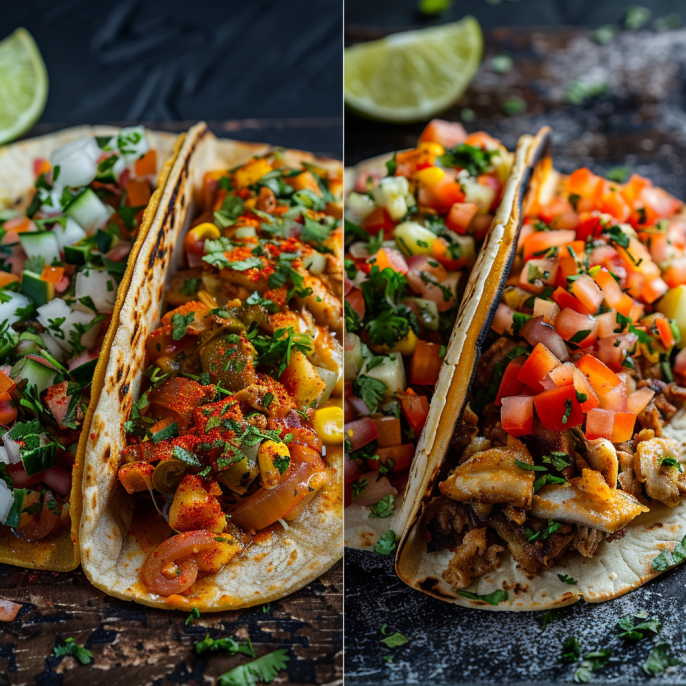
Mistake 1, Cold pan, cold results: The number one reason homemade street food tastes flat is a pan that is not hot enough. Cast iron needs at least 4 minutes of preheating over medium-high before you add anything. Test it by flicking a drop of water on the surface. If it evaporates in less than 2 seconds, you are ready.
Mistake 2, Measuring chiles by count, not weight: Dried chiles vary wildly in size and potency. A recipe calling for 3 guajillo chiles could mean very different things depending on what you buy. Weigh them. 30 to 40 grams of guajillo is a reliable base for a birria or al pastor marinade serving 4 people.
Mistake 3, Skipping the acid: Street food is bold because it is balanced. Lime juice, vinegar, and pickled vegetables cut through the fat and richness of grilled meats and fried items. If your homemade version tastes flat and heavy, it probably needs more acid, not more salt.
Mistake 4, Overcrowding the pan: Every piece of meat needs space to sear, not steam. Cook in batches. If your 12-inch skillet is doing smash tacos, no more than 3 at a time.
Mistake 5, Using pre-shredded cheese: Bags of pre-shredded cheese are coated in cellulose to prevent clumping, which also prevents clean melting. For quesabirria, Korean corn dogs, and smash tacos, always grate or tear your cheese fresh.
The Late-Night Street Food Mindset
Some of the best street food in the world is sold between 10 p.m. and 2 a.m. There is a reason for that: late-night eating has different rules. Portions are bolder, sauces are more assertive, and the whole experience is more fun. Our cluster article on late-night street food snacks under 20 minutes captures exactly that energy.
And when it comes to sauces, the copycat sauces from Raising Cane’s and Chick-fil-A that Americans love deeply, we have reverse-engineered both with pantry ingredients you already have. Check the full copycat street sauces guide.
Frequently Asked Questions
What is the easiest street food to make at home?
Smash tacos are the fastest and most forgiving entry point: 15 minutes, one pan, 5 ingredients. Mexican elotes and loaded fries are close seconds. All three are covered in detail in this series.
Do I need a Blackstone griddle to make street food at home?
No. A 12-inch cast iron skillet handles every recipe in this guide. A Blackstone makes batch cooking faster and more fun, but it is not required for quality results.
What is the difference between al pastor and carnitas?
Both are pork dishes, but the similarities end there. Al pastor uses a chile-pineapple marinade with achiote and is spit-roasted or seared to develop crispy edges. Carnitas is braised in lard or oil until tender, then crisped in the oven. Al pastor is brighter and tangier. Carnitas is richer and fattier.
How do I store leftover street food?
Separate the components. Store cooked meats and sauces separately from tortillas and toppings. Most proteins keep 3 to 4 days in the refrigerator and up to 3 months in the freezer. Always reheat seared or fried items in a hot skillet, not the microwave, to restore texture.
Can I make authentic street food without a trip to a specialty store?
Most of our recipes are designed to work with ingredients available at a well-stocked American supermarket. A few items, including achiote paste, dried guajillo chiles, and Oaxacan cheese, are easy to find on Amazon or at any Latin grocery and worth sourcing for the full effect.
What is the most popular street food in the United States?
By volume, the taco is the undisputed champion, but it is closely followed by hot dogs, loaded fries, and the halal cart rice plate in major cities. Elotes have exploded in popularity at festivals and state fairs over the last decade.
All Recipes in the Street Food at Home Series
This pillar guide connects to all 10 recipes in the Street Food at Home cluster. Explore the full series:
- Best Homemade Taco Recipes: Al Pastor, Birria and Smash Tacos
- How to Make NYC-Style Halal Cart Chicken and Rice at Home
- Copycat Raising Cane’s and Chick-fil-A Street Sauces
- Easy Elotes (Mexican Street Corn) 4 Ways
- Korean Corn Dogs at Home: The Crispy, Cheesy Guide
- Street-Style Loaded Fries: Regional American Variations
- Vietnamese Banh Mi You Can Make in 30 Minutes
- Homemade Soft Pretzels with Beer Cheese Dipping Sauce
- Authentic Jamaican Beef Patties from Scratch
- Late-Night Street Food Snacks Under 20 Minutes
© 2026 SnackyStreet. All rights reserved.